



Laravel Development for Startups
- Launch an MVP in weeks with Laravel development services for startups, and start learning from real users sooner
- Scale to your first hundred thousand users on the same codebase, with no rewrite and no downtime
- Add AI agents and AI-driven features on top of what you already run, with no extra platform to support


Why startups choose Laravel development solutions
Faster MVP launch
Controlled development costs
Scalable product architecture
Built-in security
Brands we work with





Laravel development services for startups
We handle Laravel development for startups across the full product path, from the first prototype to a platform carrying real transaction volume.
Laravel AI assistants and agents
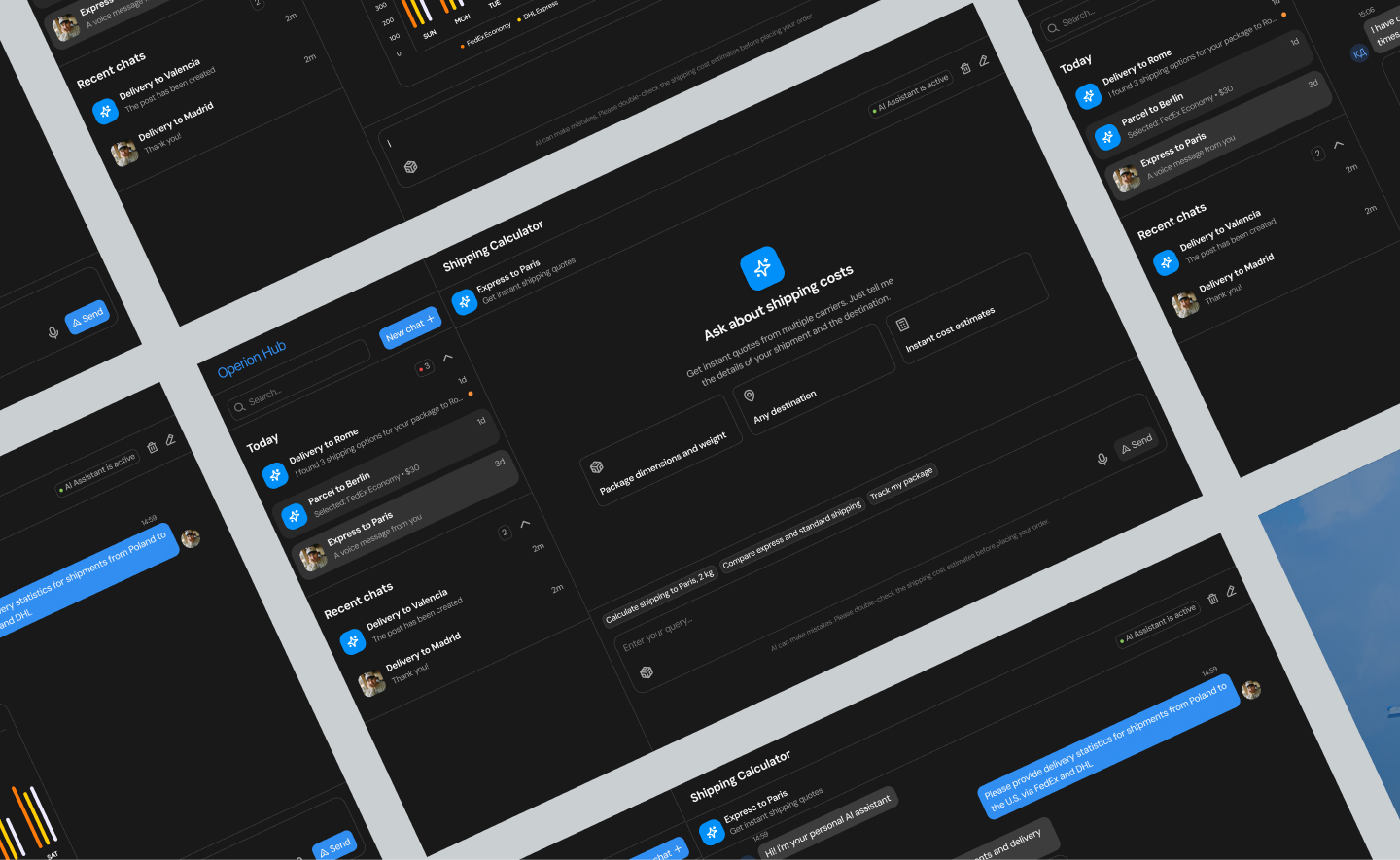
Put AI to work inside your product. We build assistants, agents, and AI-driven workflows on top of LLM APIs, with background processing and usage limits handled so responses stay fast and costs predictable.

Laravel MVP development
Validate your idea with real users, fast. We scope the smallest version that proves the concept, build it as clean, production-ready web applications, and leave room for the features that follow the first round of feedback.
Laravel SaaS development
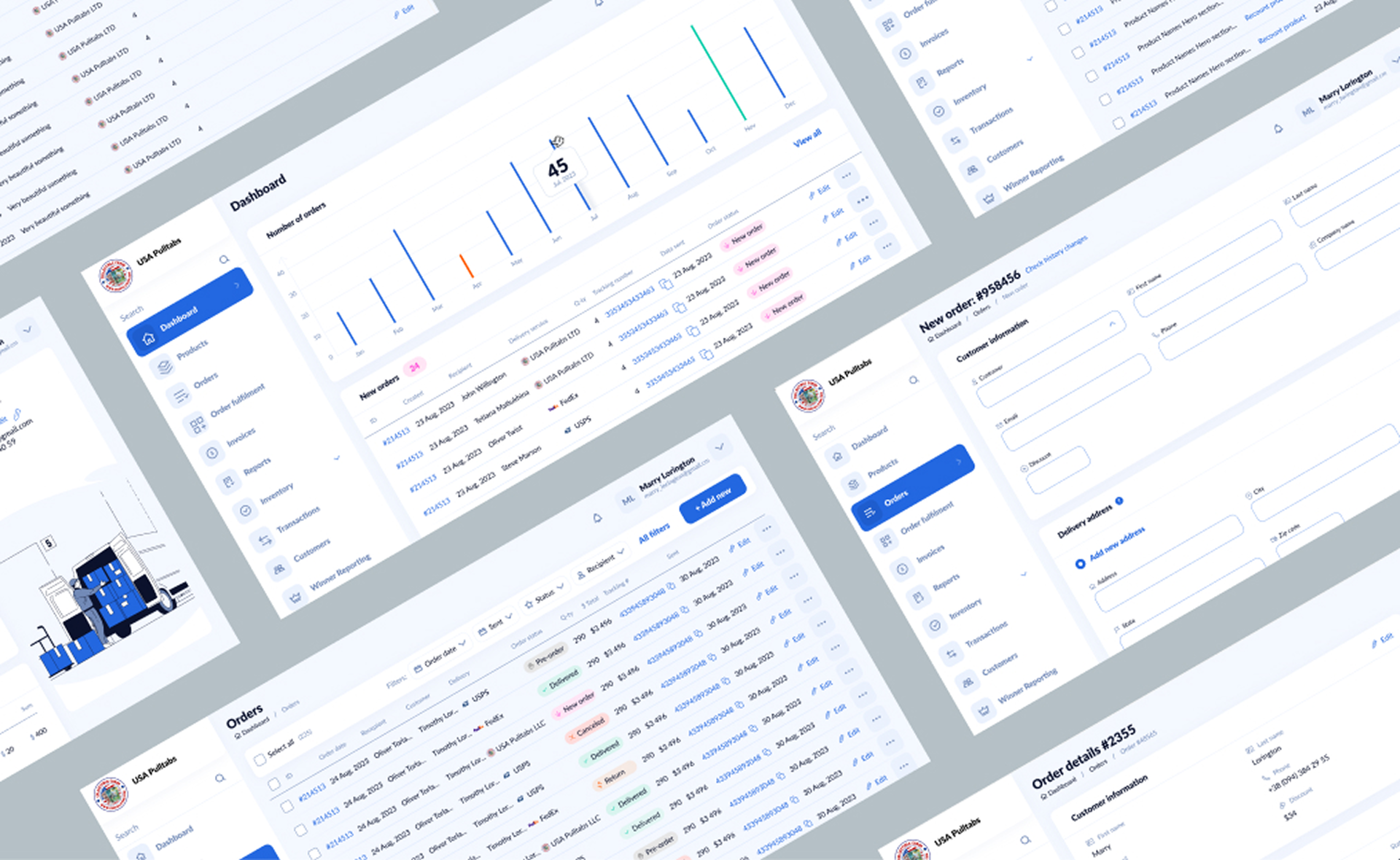
Launch a subscription product that's ready to bill from day one. We build multi-tenant architecture, user roles and permissions, billing and subscription flows, and the admin tools your team needs to run the service.
Laravel API development and integrations
Connect your product to the tools your business already runs on. We build REST APIs and handle API integration with payment providers, CRMs, analytics, and third-party services, keeping data consistent across every system.
Product scaling and modernization
Get modern performance without losing what already works. We refactor controllers, models, and views, tune slow queries and database migration paths, and upgrade aging versions so the product can keep growing.
Laravel marketplace development
Give buyers and sellers a platform they trust. We build catalogs, search, order flows, payment splitting, and moderation tools, with performance that holds up as listings and transaction volume keep growing.
One free consultation gives you a straight answer, an architecture plan, and a timeline.
Why choose Asabix as your Laravel development team
Startup-focused product approach
Flexible, transparent delivery
Long-term product support

.webp "Laravel Development for Startups - Picture №17")
.webp "Laravel Development for Startups - Picture №20")
_4056_2492.webp "Laravel Development for Startups - Picture №21")
.jpg "Laravel Development for Startups - Picture №22")
.webp "Laravel Development for Startups - Picture №25")
-(1).jpg "Laravel Development for Startups - Picture №27")
.webp "Laravel Development for Startups - Picture №28")
.jpg "Laravel Development for Startups - Picture №29")


They trust us


They demonstrated an impressive level of expertise in web development. They flawlessly executed complex functionalities and integrated custom features to meet our specific needs. The website they created functions seamlessly and aligns with our brand identity.


As a satisfied customer, I highly recommend Asabix to any organization seeking top-notch software solutions. With Asabix, you can rest assured that your expectations will be surpassed.


_80_80.webp "Etnodim")


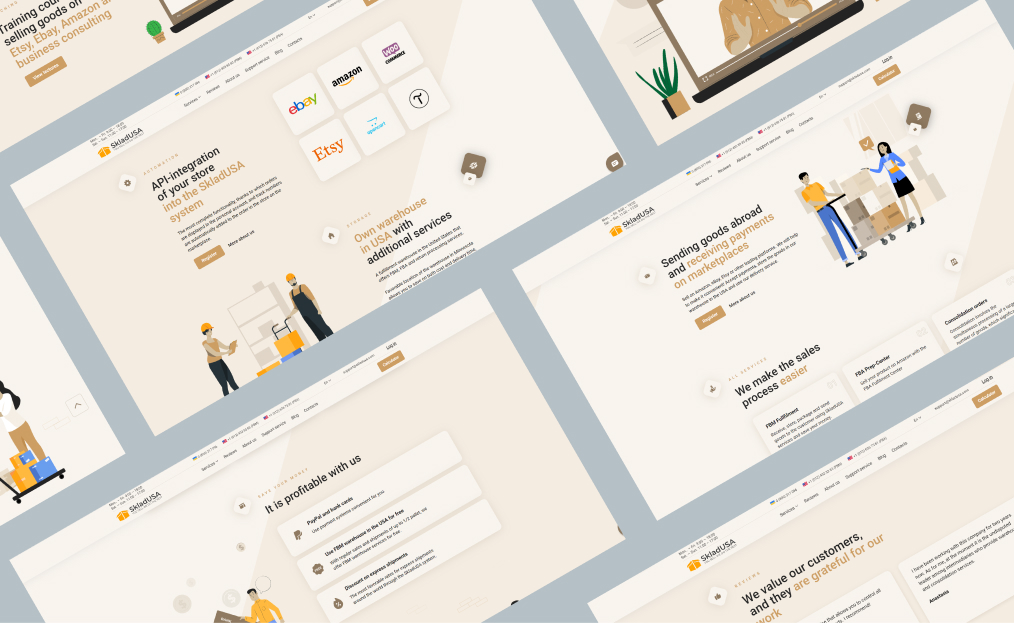
We run cross-border logistics, fulfillment, tracking, integrations, and a lot of moving parts. The system had to support real operational complexity.
Communication has been consistent, deadlines are generally respected, and when issues come up (because in tech they always do), they stay involved until things are resolved.
The SkladUSA system continues to evolve, and Asabix has been a reliable partner in that growth.


Frequently asked questions
What are the key features of Laravel for startups?
The ones that matter early are the unglamorous ones. Laravel's built-in authentication gives you login and registration on day one, the ORM keeps database work readable when a new developer joins, and queues push slow jobs like exports and emails into the background. The MVC architecture and caching layer are what stop all of that from turning into a mess six months later.
Is Laravel suitable for building an MVP?
Yes. It's the reason most founders come to us for Laravel development for startups in the first place. The standard setup already exists, so a small team can have something in front of users within a few weeks, and it won't be a prototype you throw away after the demo.
Can a Laravel application scale with a startup?
Yes, and the architecture is what decides how far it goes. Caching, queues, and database optimization carry you through the first big jump in traffic. After that, Laravel Horizon gives you control over background jobs and Laravel Vapor takes the servers off your plate. The apps that struggle are the ones where nobody planned for growth until it arrived.
What startup products can be built with Laravel?
Most things that live behind a login. SaaS platforms, marketplaces, booking and subscription services, internal tools, and the API behind a mobile app are all common. If your product moves users, payments, and data around, Laravel will handle it.
When should a startup choose Laravel over Node.js?
Go with Laravel when the product is data-heavy: business logic, admin panels, payments, reporting. Node.js earns its place when you need things happening live, like chat or streaming. Laravel covers a good share of that too: broadcasting and WebSockets through Laravel Reverb keep dashboards, notifications, and chat updating live, so plenty of products stay on a single stack. For heavier real-time loads, teams pair Laravel for the core application with a small Node service for that layer.
Can an existing Laravel product be modernized without a full rebuild?
Usually, yes. We start with an audit to find what's actually slowing things down, then upgrade versions, refactor the worst parts, and improve performance in stages while the product stays live. Rebuilding from scratch is a last resort, and it's only worth it when the old code can no longer support where the business is heading.