



Embedded Software Development Services
- Custom firmware and embedded systems built for connected devices, IoT platforms, and real-time control
- Dependable automation that reduces manual work and keeps hardware running reliably out in the field
- Embedded software engineers experienced across industrial, consumer, and automotive product lines


Our embedded software solutions & development services
Our embedded system software development services cover firmware, IoT connectivity, real-time systems, and hardware integration. Each project is about finding the right balance: getting strong performance from limited hardware while building software that stays reliable for years in the field.
A free consultation can help you validate the architecture, avoid costly hardware redesigns, and lock in the right approach early.
Brands we work with





Our embedded development process
The process runs from hardware requirements through to a tested, deployed product. Every stage stays transparent, so you always know where things stand and what's coming next.
Looking for a custom software solution that helps your business run more efficiently?
Why choose Asabix for embedded development services
The right embedded software development service partner is often what keeps a device on schedule and reliable in the field. Here's what working with Asabix brings to your embedded software projects.
They trust us


They demonstrated an impressive level of expertise in web development. They flawlessly executed complex functionalities and integrated custom features to meet our specific needs. The website they created functions seamlessly and aligns with our brand identity.


As a satisfied customer, I highly recommend Asabix to any organization seeking top-notch software solutions. With Asabix, you can rest assured that your expectations will be surpassed.


_80_80.webp "Etnodim")


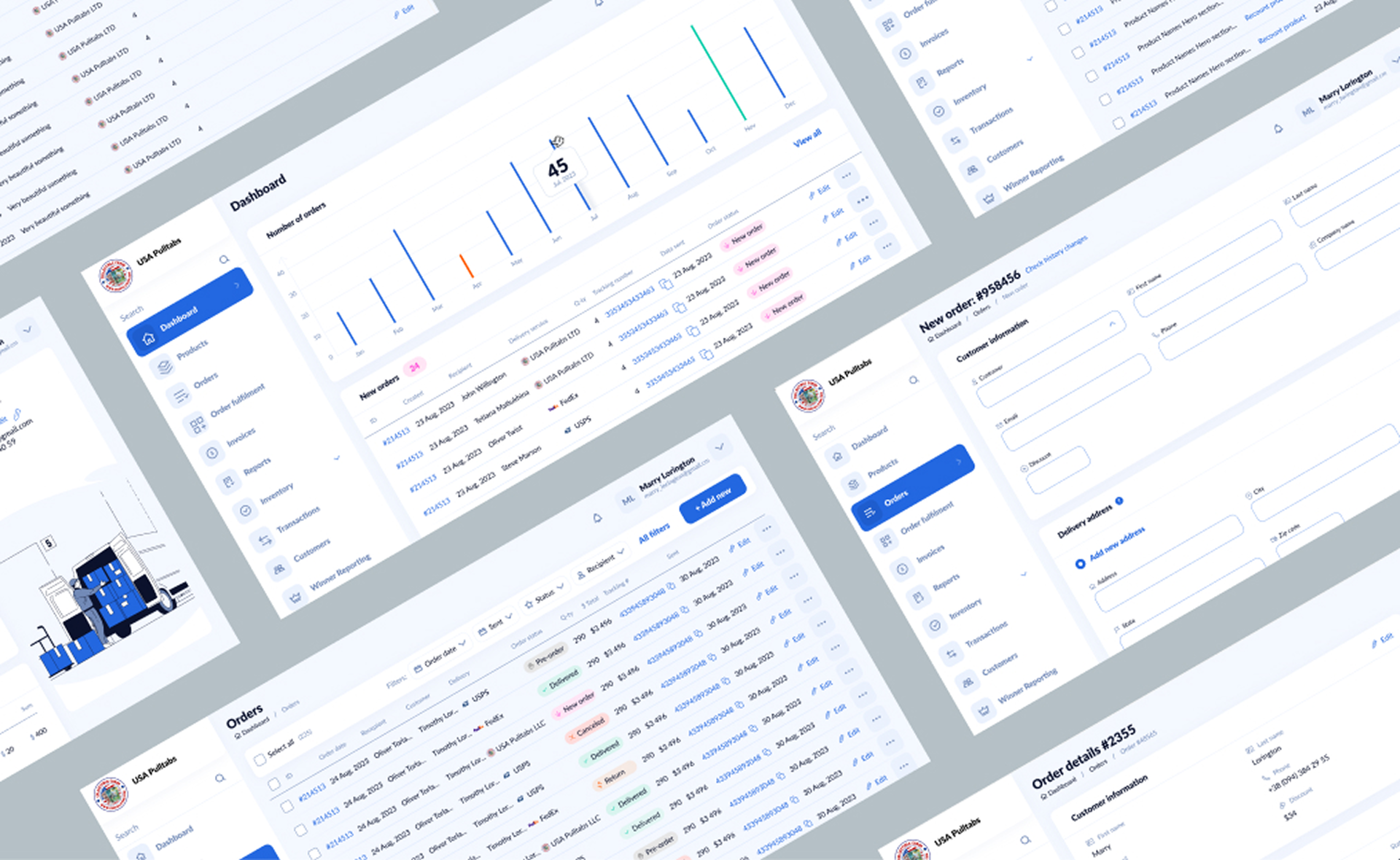
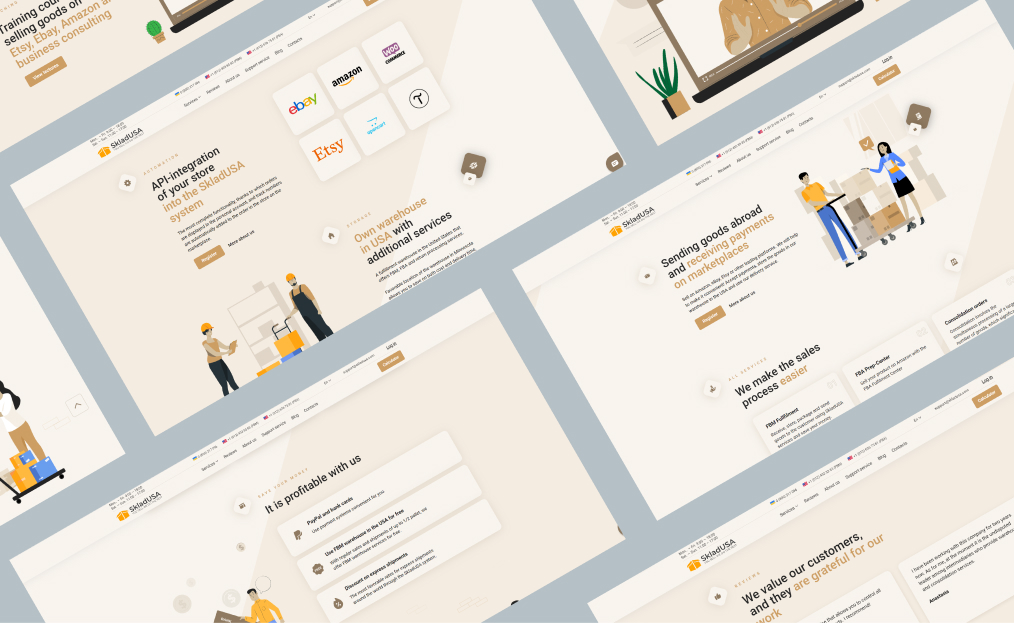
We run cross-border logistics, fulfillment, tracking, integrations, and a lot of moving parts. The system had to support real operational complexity.
Communication has been consistent, deadlines are generally respected, and when issues come up (because in tech they always do), they stay involved until things are resolved.
The SkladUSA system continues to evolve, and Asabix has been a reliable partner in that growth.


_4056_2492.webp "Embedded Software Development Services - Picture №26")

.webp "Embedded Software Development Services - Picture №28")
.webp "Embedded Software Development Services - Picture №31")
.jpg "Embedded Software Development Services - Picture №32")

.webp "Embedded Software Development Services - Picture №35")
-(1).jpg "Embedded Software Development Services - Picture №37")
.webp "Embedded Software Development Services - Picture №38")
.jpg "Embedded Software Development Services - Picture №39")



We work using
the best technologies
Frequently Asked Questions
What is the difference between firmware and embedded software?
Firmware is a type of embedded software — low-level code that runs directly on the chip and communicates directly with the hardware. Embedded software is the wider term. It covers firmware plus the higher-level embedded applications that run on embedded operating systems. In practice, most projects involve both layers working together throughout development.
What are the advantages of outsourcing embedded software development?
Outsourcing embedded systems development gets you embedded software engineers with real hardware experience — often faster and more cost-effective than building an in-house team from scratch. Established testing practices come built-in. So do specialists across firmware, connectivity, and security. For most companies, the result is shorter time-to-market and engineering costs that stay predictable.
Can embedded systems integrate with cloud platforms and business software?
Yes, it's how most embedded systems work today. They connect to cloud-based platforms, ERPs, and analytics tools all the time. We set up secure communication protocols and APIs so devices push telemetry up, pull updates down, and feed data into the systems your business already runs. That kind of connectivity is built into most IoT and connected devices projects we ship.
Do you develop embedded Linux and RTOS-based systems?
Embedded Linux works well for feature-rich devices with bigger software stacks. A real-time operating system takes over when strict timing drives the design. The right choice comes down to performance, footprint, and certification needs. Our embedded software engineers handle kernel configuration, driver development, and the optimization needed to hit your timing and power targets.
Do you provide long-term support for embedded systems?
Yes, and it matters more here than in most software. Embedded products often run in service for a decade or more. We handle firmware updates, security patches, performance tuning, and support for hardware revisions across the product lifecycle. Many clients keep us on through an embedded services retainer for issues and improvements as they come up.
What are the hardware and software components of an embedded system?
Two layers, designed together. The hardware components — microcontroller or processor, memory, sensors, communication interfaces — set what's physically possible. Software components live on top: firmware close to the silicon, device drivers handling peripherals, and the embedded operating system coordinating everything. Each one depends on the other to work — that's why we design them in parallel from the start.